Guide to Turkey
The Guide to Turkey provides visitors with a comprehensive overview of the country's culture, flag, map, and general information.
Recently Added
Is Turkey a Member of the European Union? What is the Current Status?

What Are the Best Turkish TV Series of 2026?
How's the Weather in Turkey? 7-Day and 30-Day Weather Forecasts
What is Turkey's Religious Belief? What Are Its Rituals?

Pure, Dust-Free Turkish Tea: Nayino Tea (From Rize)
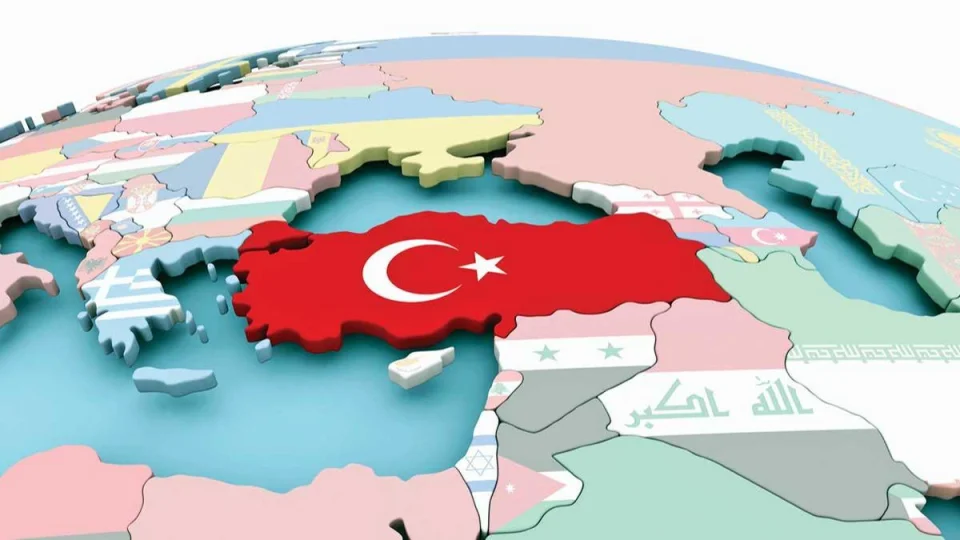
Where is Turkey Located in the World? Which Countries are Nearby? In Which Region?
Turkey, a country rich in historical and cultural treasures, boasts a unique geography that serves as a bridge between both the East and the West. On this page, you will explore many aspects of Turkey and gain in-depth knowledge about this beautiful country. Turkey stands out not only for its geographical location but also for its deep-rooted history and rich culture.
Additionally, you will examine Turkey's geographical features through its map and learn about the characteristics of different regions. Turkey is also known for its diverse climates and natural beauties. In this context, we will provide detailed information about Turkey's major cities, tourist attractions, and national parks.
Religious and Cultural Structure of Turkey
Although Turkey has a predominantly Muslim population, it is also home to various religions and beliefs. The religious diversity in the country enriches cultural life and strengthens social unity. This page will provide comprehensive information about religious holidays, traditions, and beliefs in Turkey.
Geographical Features of Turkey
Turkey's geographical location makes it a strategic point. Situated at the crossroads of the Asian and European continents, Turkey is endowed with rich natural resources and diverse climatic conditions. On this page, you will find information about Turkey's geographical structure, climate, and the effects of these features on daily life.
Continue exploring our page to learn more about Turkey. Here, you will find a wealth of information about Turkey's history, culture, flag, and geography, giving you the opportunity to get to know this unique country better.
Cultural Richness of Turkey
Turkey has a rich cultural heritage due to its geographical location and historical background. Situated on the Anatolian peninsula, this country has become a melting pot of different cultures because it lies at the crossroads of East and West. Among Turkey's cultural riches, traditional arts, music, literature, and culinary culture hold significant importance. Each region has its own unique traditions and festivals. For example, the fairy chimneys of Cappadocia and traditional Turkish handicrafts are some of the finest examples of this wealth.
The flag of Turkey is symbolized by a white crescent and star on a red background. These symbols represent the Turkish nation's struggle for independence and freedom. The historical roots of the flag trace back to the Ottoman Empire and it proudly waves today as a national symbol. Turkey's time zone is set at GMT+3. This situation allows for the integration of different time practices based on the country's geographical location.
In conclusion, Turkey's cultural riches, combined with its historical and geographical features, create a unique structure. These characteristics offer many opportunities waiting to be discovered by both local and foreign tourists. For more information about Turkey, you can visit our website.
Turkey's Flag and Its Meaning
The flag of Turkey is an important symbol representing the country's cultural identity, history, and values. The Turkish flag consists of a white crescent and star on a red background. This design has a deep-rooted history that dates back to the Ottoman Empire. The red color represents the Turkish nation's struggle for independence and freedom, while white symbolizes peace and purity. The crescent and star at the center of the flag also hold significant importance in Turkish mythology. These symbols represent the courage and determination shown by the Turkish people throughout history.
Examining the history and significance of the Turkish flag reveals that it was officially adopted for the first time in 1844 during the Ottoman Empire. During this period, the flag emerged not only as a symbol of military units but also as an element expressing the unity and solidarity of the nation. With the establishment of the Republic of Turkey on October 29, 1923, the flag was officially recognized.
The flag of Turkey holds an important place not only in representing national identity but also on the international stage. The Turkish flag frequently appears in international organizations and events, recognized as a symbol that the Turkish people take pride in. The flag of Turkey symbolizes the Turkish nation's commitment to its past, culture, and struggle for independence. Therefore, showing respect for the flag is one of the most important duties of every Turkish citizen.
Map of Turkey and Geographic Features
Turkey is a country that stands out with its geographical location and cultural richness. Surrounded by seas on three sides, Turkey serves as a bridge between the continents of Asia and Europe. This strategic position has allowed Turkey to host many civilizations throughout history. The map of Turkey reflects the country's various geographical features, including natural elements such as mountains, plains, lakes, and rivers, as well as cities that harbor historical and cultural wealth.
Turkey has a total area of 783,356 km². The country is bordered by the Black Sea to the north, the Aegean Sea to the west, and the Mediterranean Sea to the south. In the interior, the Anatolian Plateau forms the largest geographical area of Turkey. The highest point in Turkey is Mount Ararat, standing at 5,165 meters. Additionally, various climate types exist across the country; Mediterranean, continental, and Black Sea climates affect the vegetation and agricultural activities.
The cultural structure of Turkey is as rich as its geographical features. The country creates a mosaic of various ethnic groups living together. Turkish culture is recognized worldwide for its traditions, music, dances, and cuisine. Moreover, Turkey's flag, symbolized by a white crescent and star on a red background, is a national emblem. This flag proudly waves everywhere as a symbol of independence and national unity. Visitors to Turkey have the opportunity to participate in many different events and festivals to experience this rich culture.
Turkey uses Turkey Standard Time (TRT) and is located in the UTC+3 time zone. This situation varies depending on Turkey's geographical location. Turkey's geographical position acts as a bridge located to the east of Europe and to the west of Asia. Therefore, questions like "Is Turkey in Europe?" are frequently asked. Although geographically located in Asia, Turkey is also considered part of Europe due to its historical and cultural ties.
Religious Beliefs and Traditions in Turkey
Turkey has been a geography where different religions and belief systems have coexisted throughout its history. While Islam constitutes 99% of the country's predominant faith, other religions such as Christianity and Judaism also hold significant places in the country. The religious structure of Turkey offers a rich diversity as a combination of various ethnic groups and cultural heritages. This diversity is reflected in different traditions and celebrations across many regions of Turkey.
Traditions and Religious Celebrations: In Turkey, religious holidays and celebrations are held with great enthusiasm. Ramadan and Eid al-Adha are celebrated with deep respect by a large portion of the community. These holidays not only carry religious significance but also serve as important social events that strengthen family and community bonds. For example, during Ramadan, families are encouraged to come together by setting up iftar tables.
The religious beliefs of Turkey are manifested in many areas, from architecture to folkloric traditions. Particularly, mosques form an essential part of Turkey's architectural identity. The mosque architecture from the Seljuk and Ottoman periods presents dazzling works throughout the country. These structures have served not only as places of worship but also as important centers of social life. Turkey's rich religious and cultural heritage offers many different aspects for visitors and researchers to explore.
In conclusion, Turkey's religious beliefs and traditions are an inseparable part of the country's cultural fabric. This richness is an example of how different religions and cultures can coexist. For those visiting Turkey, experiencing these traditions and beliefs is one of the best ways to understand the spirit of the country.
Turkey's Time Zone and Time Calculation
Turkey is a unique country located on both the Asian and European continents. This position enhances Turkey's cultural richness and historical diversity. Turkey operates in a time zone known as Turkey Standard Time (TRT), which is UTC+3. This situation does not change due to daylight saving time practices; Turkey has permanently adopted daylight saving time since 2016.
Turkey's time zone is an important factor, especially in international travel and business relations. For example, knowing Turkey's time zone accurately facilitates the scheduling of business meetings and appointments. Additionally, there is no time difference between different cities in Turkey, which is a significant advantage for travelers. There are various online tools and applications available for time calculation; these tools can help you easily compare the times of different cities.