Where is Turkey Located in the World? Which Countries are Nearby? In Which Region?
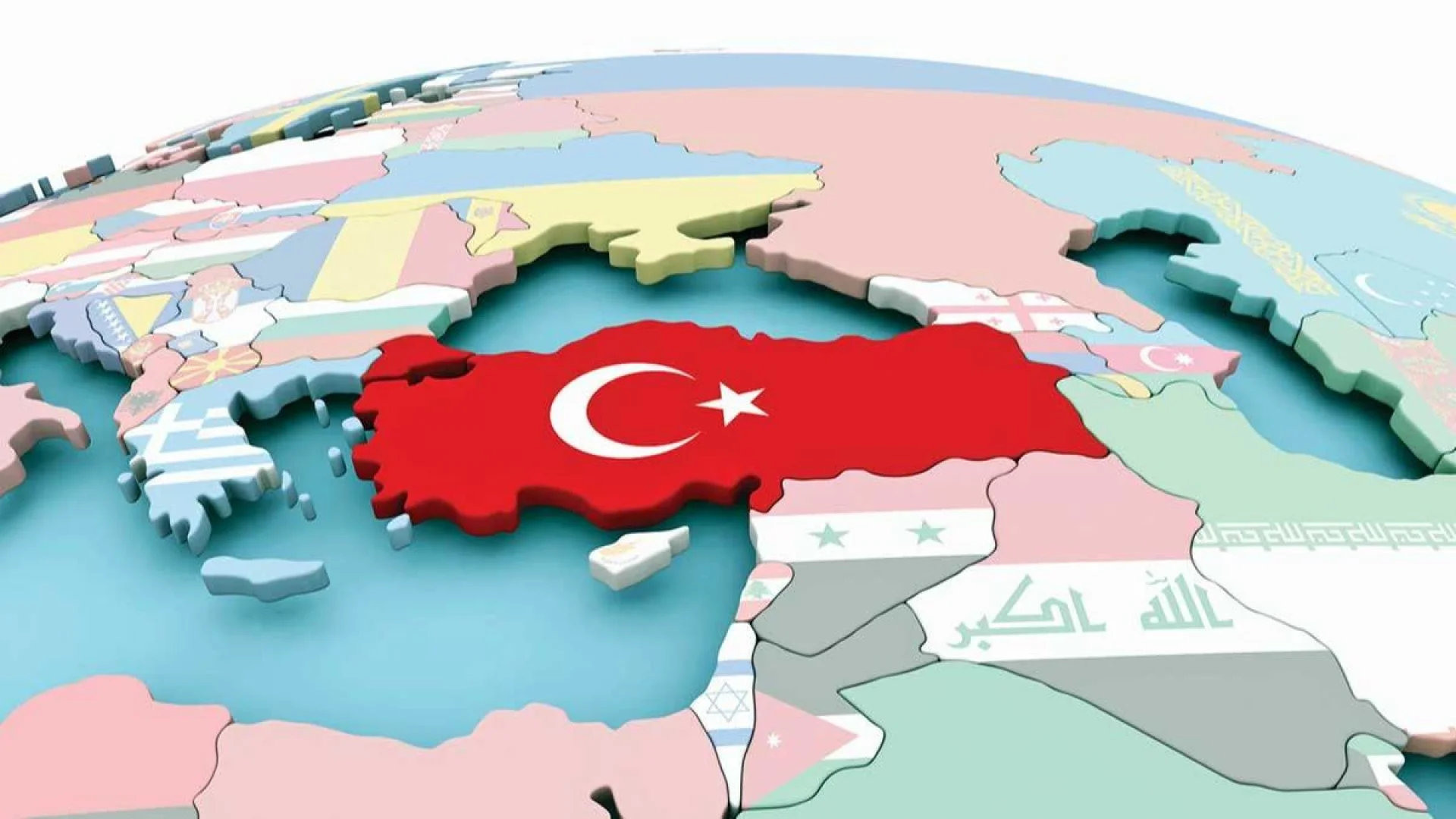
Turkey is a country of strategic importance located at the crossroads of both Asia and Europe. This unique position not only makes Turkey a meeting point for diverse cultures but also turns it into a significant intersection of global trade routes. The geographical features and historical depth of Turkey create a major attraction for both domestic and international tourists.
Turkey's Neighbors and Nearby Countries
To the east, Turkey shares borders with Georgia, Armenia, Azerbaijan, and Iran; to the south, it is bordered by Iraq and Syria; and to the west, it has neighboring relationships with Greece and Bulgaria. This situation makes Turkey a central hub for numerous cultural and economic interactions.
Strategic Importance
In addition to its geographical location, Turkey's strategic importance is further enhanced by its membership in NATO and its position at the junction of the Middle East and Europe. These characteristics position Turkey as a significant actor in international politics.
Geographical Regions of Turkey
Turkey is divided into seven geographical regions: Marmara, Aegean, Mediterranean, Central Anatolia, Eastern Anatolia, Southeastern Anatolia, and the Black Sea. Each region hosts unique climate conditions, natural beauties, and cultural heritages. This diversity is a key factor that enhances Turkey's tourism potential.
In conclusion, Turkey's geographical position offers both advantages and challenges. This unique location is one of the most important factors shaping Turkey's place and role in the world.
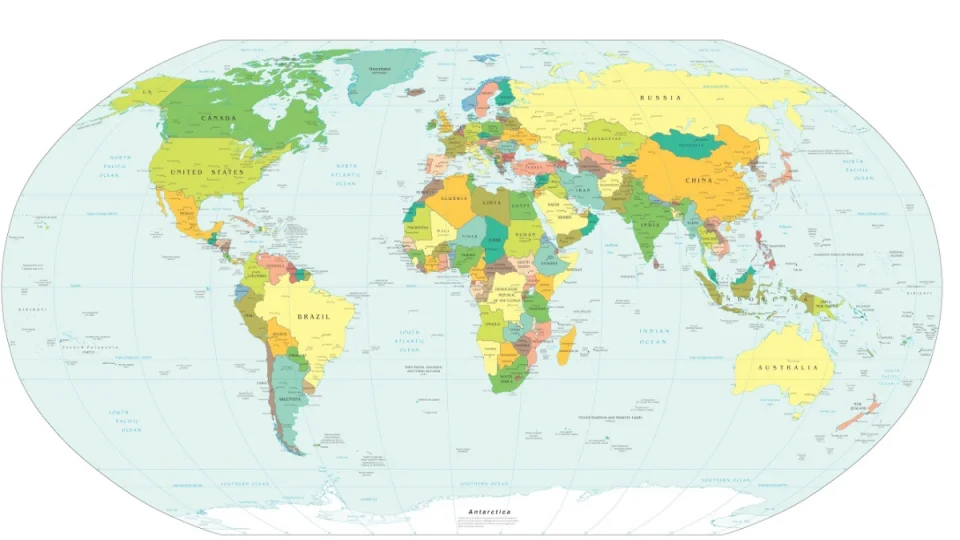
Turkey's Geographical Location and Importance
Turkey is located in a position that is significant both geographically and strategically. Acting as a bridge between the continents of Asia and Europe, Turkey has become one of the centers of international trade and cultural exchange thanks to this feature. To the north of the country lies the Black Sea, to the west is the Aegean Sea, and to the south is the Mediterranean Sea, while to the east it shares borders with Georgia, Armenia, Azerbaijan, and Iran; to the west with Greece and Bulgaria; and to the south with Iraq and Syria. This situation makes Turkey a transit point between both the west and the east.
Turkey's geographical position also plays a crucial role in military and strategic aspects. As a NATO member, Turkey helps maintain the balance between the east and the west and responds to security issues in the region. Due to its proximity to geopolitically sensitive areas such as the Middle East and the Balkans, the country is also an important actor in international relations.
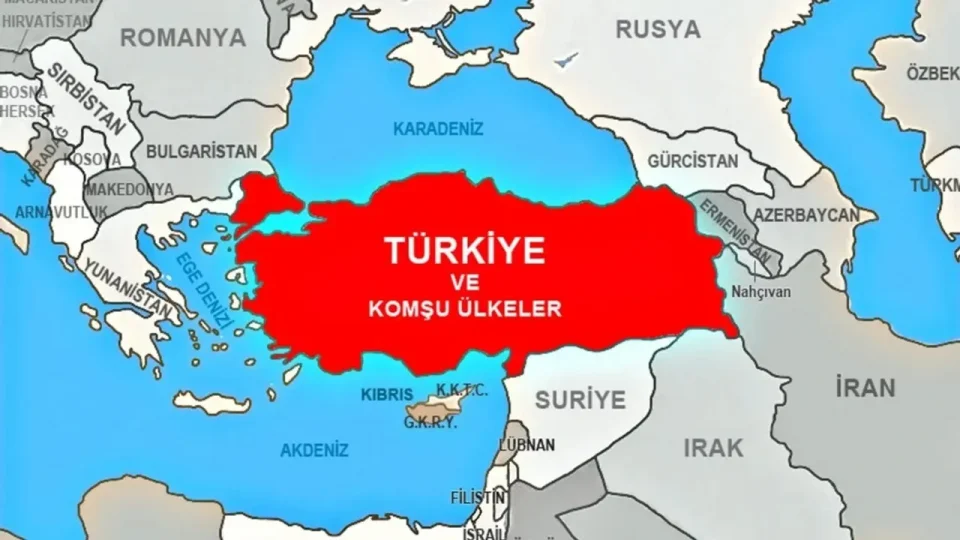
Turkey's Neighboring Countries and Borders
Turkey is an important country due to its geographical location and historical background. Situated at the crossroads of Europe and Asia, Turkey holds strategic significance. This geographical position has paved the way for Turkey to be a meeting point for various cultures and civilizations. Turkey shares borders with Greece and Bulgaria to the west, Georgia, Armenia, Azerbaijan (Nakhchivan), and Iran to the east; and with Iraq and Syria to the south.
Relations with neighboring countries are of great importance in terms of Turkey's foreign policy. For example, Turkey has historical and cultural ties with Greece to the west. Additionally, there are significant collaborations in energy and trade with Iran to the east. In this context, Turkey's position plays an effective role not only economically but also politically and militarily.
In conclusion, Turkey's neighboring countries and borders hold great significance both geographically and politically. The country's position offers various opportunities and challenges at both local and international levels. Turkey's role in international relations and its strategic position are closely monitored regarding future developments.
Turkey's Unique Strategic Advantages
Turkey is a country with a unique strategic advantage due to its location at the crossroads of the Asian and European continents. This geographical position has made Turkey an important center for trade and culture throughout history. To the west of the country are Greece and Bulgaria, while to the east are Georgia, Armenia, Azerbaijan, and Iran, and to the south are countries like Iraq and Syria. This situation makes Turkey an attractive center both geopolitically and economically.
In addition to its geographical location, Turkey's climate diversity and rich natural resources offer significant advantages for agriculture and industry. The presence of various climate types across the country allows for the cultivation of a wide range of agricultural products. This enables Turkey to not only feed its domestic market but also enhance its export potential. Furthermore, Turkey's historical and cultural heritage contributes to the development of the tourism sector, providing significant income to the national economy.
In conclusion, Turkey's unique strategic advantages are not limited to its geographical location but are also supported by its economic and cultural potential. Effectively harnessing these advantages is critical for the country's future.
Turkey's Regional Connections and Trade Routes
Turkey is located at the crossroads of Asia and Europe in terms of its geographical position. This strategic location has made Turkey an important transit country throughout both historical and modern times. Turkey is bordered by the Black Sea to the north, the Aegean Sea to the west, and the Mediterranean Sea to the south, sharing borders with Georgia, Armenia, Azerbaijan (Nakhchivan), and Iran to the east; Greece and Bulgaria to the west; and Iraq and Syria to the south. These neighboring countries strengthen Turkey's regional connections and also establish it as a significant hub for trade routes.
From a trade route perspective, Turkey constitutes an important part of the historic Silk Road. Today, the modern versions of these routes provide access to European, Asian, and Middle Eastern markets through Turkey. Turkey's ports, particularly Istanbul, Izmir, and Mersin, are significant gateways for international trade. Through these ports, Turkey contributes to its economic growth by engaging in both exports and imports.
In conclusion, Turkey's regional connections and trade routes play a critical role in the country's economic development and international relations. Thanks to its historical and geographical position, Turkey provides easy access to both Asian and European markets, which also increases the country's strategic importance.
Turkey's Cultural and Historical Riches
Turkey is a country that stands out due to its geographical location and historical background. Situated at the crossroads of Asia and Europe, Turkey serves as a strategic bridge. Therefore, Turkey's cultural and historical riches are not limited to its own lands but are deeply intertwined with the surrounding countries. The lands of Turkey bear the traces of various civilizations and have become a meeting point for many cultural and historical heritages.
The country's coastal regions, particularly the Aegean and Mediterranean areas, host rich historical remnants, while the interior regions also feature structures from the Seljuk and Ottoman periods. For instance, ancient sites like Ephesus and natural wonders like Pamukkale are major attractions for both domestic and foreign tourists. Such riches enhance Turkey's tourism potential and contribute to the country's promotion on the international stage.
In conclusion, Turkey's cultural and historical riches not only carry the traces of the past but also play a significant role in shaping contemporary society. The preservation and promotion of these riches are of great importance for Turkey's future.