What Are the Largest Dams in Turkey?
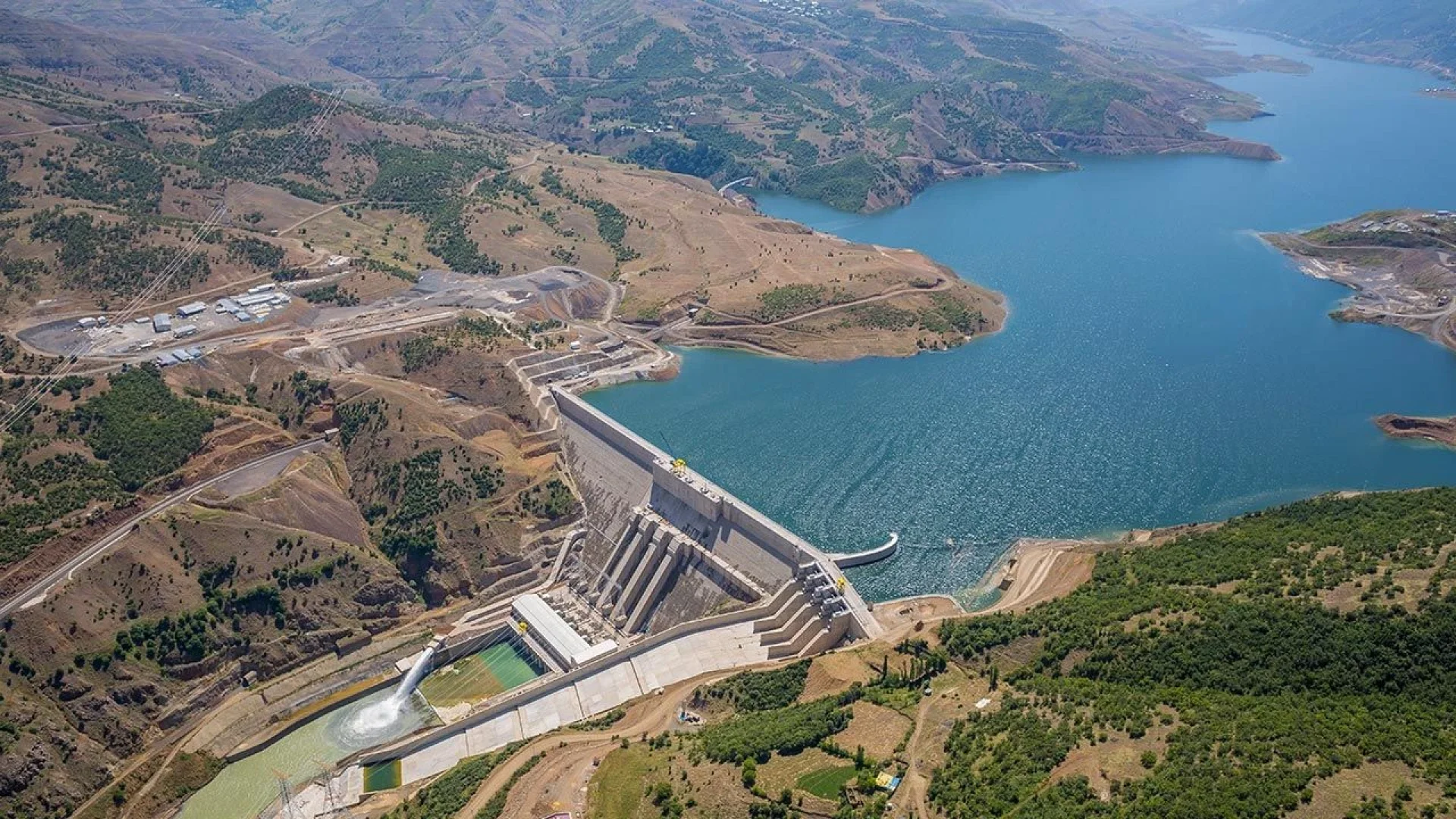
Turkey is a country that stands out with its natural beauty and rich water resources. This wealth has been combined with dams built to meet the country's energy needs and provide significant advantages in irrigation. Dams serve many important functions, not only as a water source but also in energy production, flood control, and the distribution of water to agricultural lands. In this article, we will examine Turkey's largest dams in detail.
Dams play a critical role in water management. The efficient use of water resources increases agricultural productivity and offers sustainable solutions for energy production. Turkey, with its diverse climate characteristics and geographical structure, allows for the construction of different types of dams. These dams contribute to economic development both locally and nationally.
The largest dams in Turkey attract attention not only for their size but also for their capacities. Most of these dams work in conjunction with hydroelectric power plants, playing a significant role in meeting the country's energy needs. Each dam has its own unique features and benefits. Therefore, in this article, while providing information about Turkey's largest dams, we will focus on the history and functions of each.
Turkey's Largest Dams
In this section, we will list Turkey's largest dams and provide detailed information about the characteristics of each. Information such as construction dates, water capacity, and energy production potential will give readers a better understanding of the importance of these structures.
The Construction Process of Dams
Dam construction is a complex process from an engineering perspective. These constructions, which are carried out by considering the right site selection, material usage, and environmental factors, require years of planning and engineering work. Many of the dams in Turkey have been successfully built despite challenging geographical conditions.
The structures that rank among Turkey's largest dams stand out not only for their size but also for their environmental and economic contributions. As we explore these dams in detail, we will share both historical and current information with you.
Turkey's Highest Dams
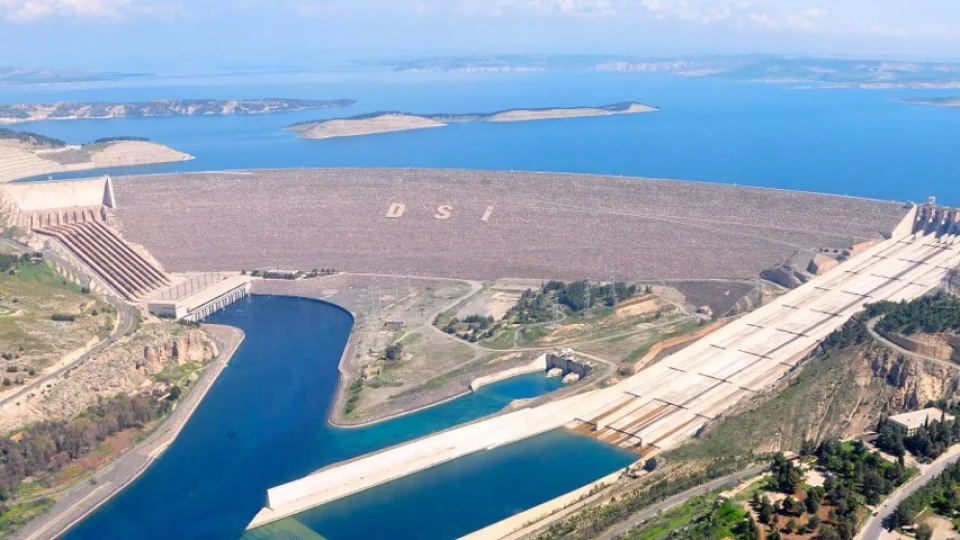
Turkey has a geography that is quite suitable for dam construction, with its high mountains and wide valleys. The highest dams in our country are of great importance for both energy production and water management. These dams serve many areas such as irrigation, drinking water supply, and hydroelectric energy production by effectively utilizing Turkey's water resources.
- Atatürk Dam: The largest dam of the GAP project, it is the highest dam in Turkey with a total height of 169 meters.
- Karakaya Dam: Completed in 1987, the Karakaya Dam is an important energy source with a height of 135 meters.
- Çatalağzı Dam: This dam, standing out with its height of 132 meters, meets the energy needs of the region.
- Oymapınar Dam: With a height of 185 meters, it ranks among the highest dams in Turkey and also serves as an important hydroelectric power plant in the country.
These dams not only manage our water and energy resources but also contribute significantly to regional development. The artificial lakes formed around the dams are becoming attraction centers for tourism as well. Visitors frequently flock to these sites to see these magnificent structures and enjoy the surrounding natural beauty.
Energy Production Capacity of Dams
Turkey is a country rich in geographical location and water resources. Therefore, it has significant potential in terms of dam construction and energy production. Dams play a critical role not only in water storage and irrigation but also in electricity generation. The largest dams in Turkey stand out for both their energy production capacities and their hydroelectric power plants.
Some of the major dams among Turkey's largest dams are as follows:
- Atatürk Dam: It is the most important part of the GAP project and has an energy production capacity of 8.4 GW.
- Karakaya Dam: With an energy production capacity of 1.8 GW, it is Turkey's second-largest dam.
- Oymapınar Dam: With a capacity of 540 MW, it functions as an important hydroelectric power plant.
- Çatalağzı Dam: This dam, with a capacity of 120 MW, plays a critical role in meeting the energy needs of the region.
These dams meet a significant portion of Turkey's electricity needs. In particular, the Atatürk Dam has a large share in the country's energy production with an annual average of 30 billion kWh of energy generation. Additionally, the management of water resources is carried out more effectively thanks to these dams. This situation provides great benefits in areas such as agriculture and industry.
In conclusion, Turkey's largest dams are of critical importance for both energy production and water management. The energy production capacities of these dams play an important role in achieving the country's sustainable development goals.
Effects of Dams on Ecosystems
Dams are important structures for managing water resources and generating energy, but they also have various effects on the environment. Turkey's largest dams are vital for both agriculture and energy production. However, these structures can profoundly impact natural ecosystems. Since dams alter water levels, their effects on aquatic and terrestrial ecosystems should not be overlooked.
- Change in Water Flow: Dams can obstruct the natural flow of rivers, disrupting the natural water cycle. This can harm aquatic life.
- Habitat Loss: During dam construction, natural habitats that many animal and plant species inhabit may be destroyed. This leads to a decrease in biodiversity.
- Decline in Water Quality: Water accumulated in dams can become polluted over time. This poses a threat to both aquatic organisms and human health.
On the other hand, dams also have positive effects on ecosystems. They provide benefits such as energy production, irrigation, and drinking water supply, which facilitate human life. However, to ensure that these benefits are provided sustainably, the impacts of dams on ecosystems must be carefully evaluated. Analyzing the environmental effects of dam projects in advance is crucial for maintaining the natural balance.
- Ecosystem Assessments: Before starting dam projects, a detailed analysis of the ecosystems in the area should be conducted.
- Water Management Strategies: Water levels and flow regulations should be planned to maintain the natural balance.
- Community Awareness: It is important to raise awareness among local communities about the impacts of dams on ecosystems.
Dam Projects in Turkey and Their Future
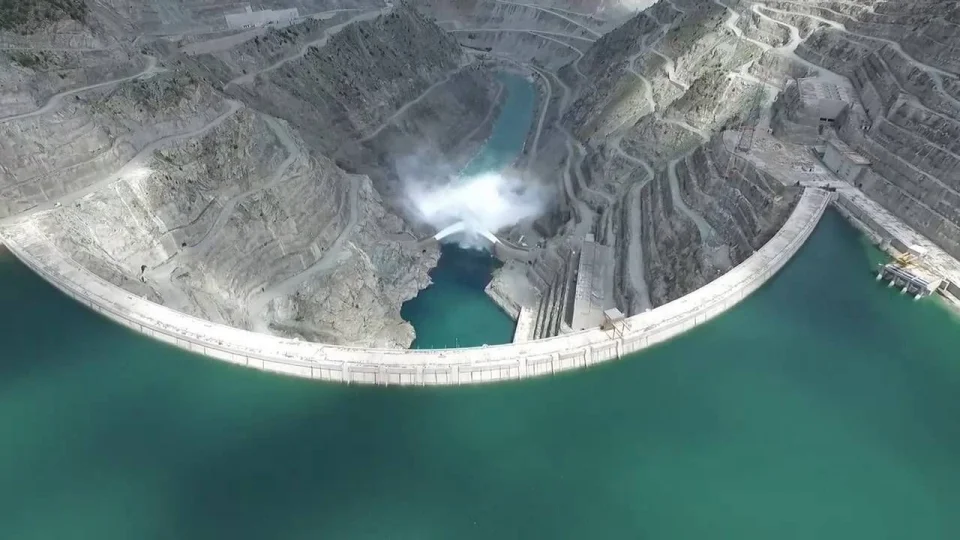
- Atatürk Dam: As one of the most important components of the GAP project, Atatürk Dam ranks among the largest dams in the world.
- Keban Dam: Located on the Euphrates River, Keban Dam is an important source for both energy production and irrigation.
- Karacaören Dam: This dam, located in Antalya province, meets the region's irrigation needs.
Historical Development and Importance of Dams
Dams are important structures built for various purposes such as managing water resources, generating energy, and agricultural irrigation. Turkey, being rich in geographical location and water resources, hosts many large dams. The historical development of dams has progressed in parallel with the advancement of human history and has become modern engineering marvels today. Although the first dams were built in ancient times, most of the dams in Turkey began to be constructed during the Republic period.
The importance of dams is not limited to water storage. They also serve many critical functions such as energy production, flood control, and maintaining environmental balance. Hydroelectric power plants built to meet Turkey's energy needs benefit from the water power obtained through these dams. This situation also contributes to the country's energy independence.
Among the largest dams in Turkey are structures such as Atatürk Dam, Karakaya Dam, Oymapınar Dam, and Suleymanlı Dam. Atatürk Dam stands out as one of the largest dams not only in Turkey but also in the world. This dam is located on the Euphrates River and is critically important for both irrigation and energy production. The construction of dams also significantly contributes to local economies; as these structures provide irrigation for surrounding agricultural lands, they enhance productivity.
“Dams are important structures that effectively utilize the water resources provided by nature for the service of humanity.”